

Cancer support tends to come in two shapes. One is built for children: child life specialists, bright hospital wings, programs designed around a young kid and their parents. The other is built for older adults, with support groups full of people many decades into their lives. Both serve people who need them, and those people deserve the support. The trouble is that young adults don’t quite fit into either, and end up landing in the gap between.
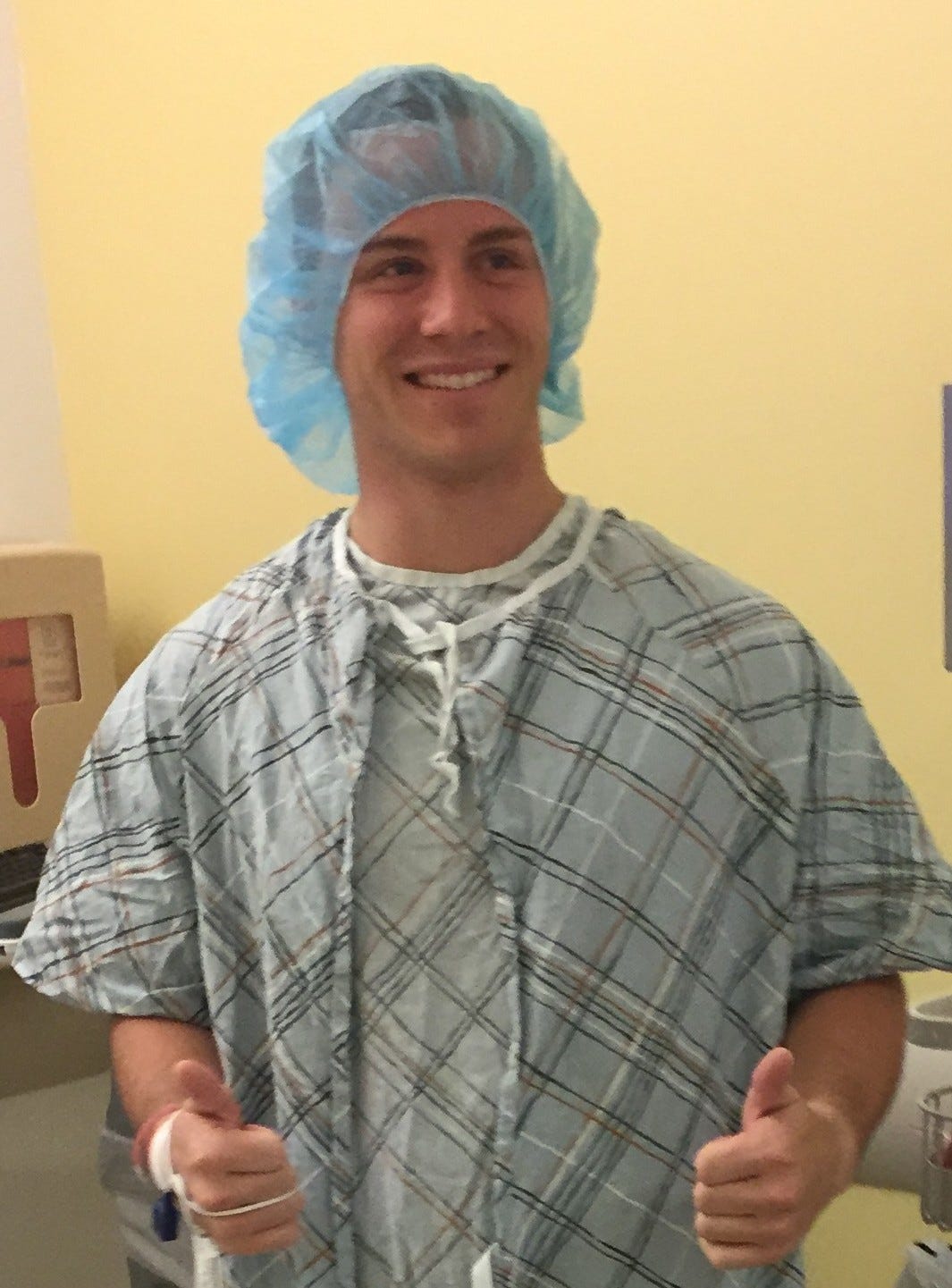
More than 85,000 people between the ages of 15 and 39 receive this life changing news in the United States every year, close to five percent of all cancer diagnoses. The National Cancer Institute treats this group as a distinct adolescent and young adult population, with needs the system has not caught up to. They are old enough that the pediatric world does not fit, and young enough that the rooms full of older patients do not either. So they sit in waiting rooms and support groups feeling like the only person their age who has ever been there. This is something I can personally attest to.
The gap is not only about which room you belong in. A diagnosis in your twenties or early thirties lands in the middle of building a career, finding a partner, sorting out money, deciding whether to have kids. Treatment can put all of it on hold or take some of it off the table. Fertility, dating, a first real job, a sense of who you are becoming. At this age, despite support networks doing their best, almost none can actually help these patients juggle these massive undertakings during treatment.
Then treatment ends, and a second, larger gap opens. Everyone around you exhales and moves on, sure the ‘hard’ part is over. For a lot of young survivors, the quiet that follows is the hardest stretch of all. The schedule that ran your life disappears. The team that checked on you every week is gone. The energy allocated to fighting for your life needs to be reassigned. You are left to make sense of a body and a future that both feel changed, with no one beside you. More specifically, make sense of a body that could feel like it betrayed you.
This is the gap the Katherine Paleno Foundation exists to close. We match young adults with a real person who has been there, during treatment and through the long stretch after. We leave the medical advice to the doctors. What we add is connection, navigation, and a hand to hold through the loneliest version of a hard season.
If you are a young adult facing cancer, or you love someone who is, reach out. You do not have to do this alone.
If you are a survivor who wants to be the person you wish you had, we are looking for you.
And if you want to follow the work as it grows, subscribe. I will keep you close to it.
Figures based on National Cancer Institute SEER data available as of 2025.